Welcome to our Wellness Page
The NYSRS Wellness Committee aims to share the challenges, successes, and stories of chapter members who have experienced burnout and found ways to mitigate its impacts. Through webinars, social media initiatives, and our website, we want to make resources available to our members for cultivating the Six Dimensions of Wellness: intellectual, physical, emotional, social, spiritual, and occupational well-being.
If you are passionate about promoting the well-being of our membership or have expertise related to any of the aforementioned dimensions of well-being, we welcome you to join this new committee and work with us!
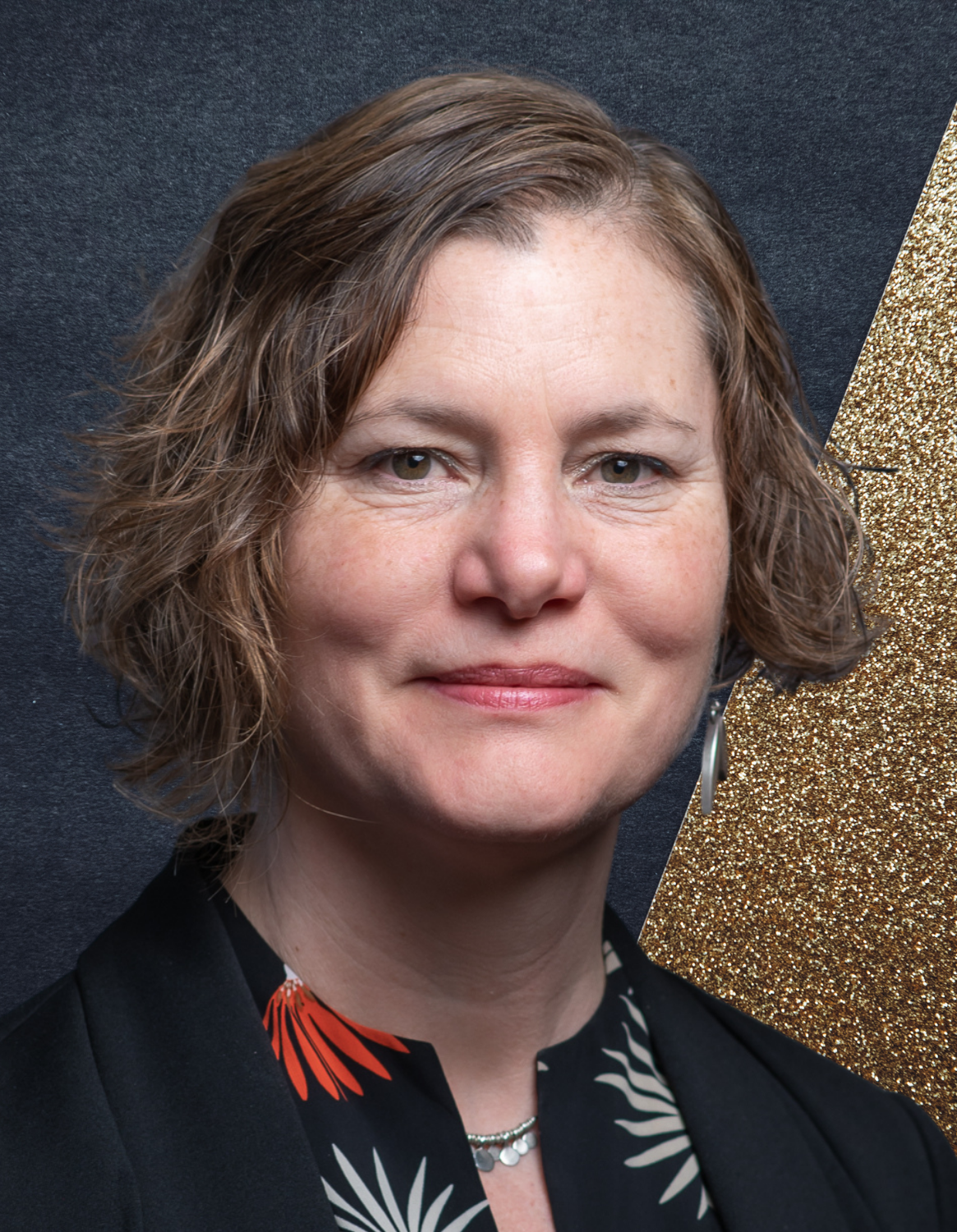
Sarah Averill, MA, MD
Chair
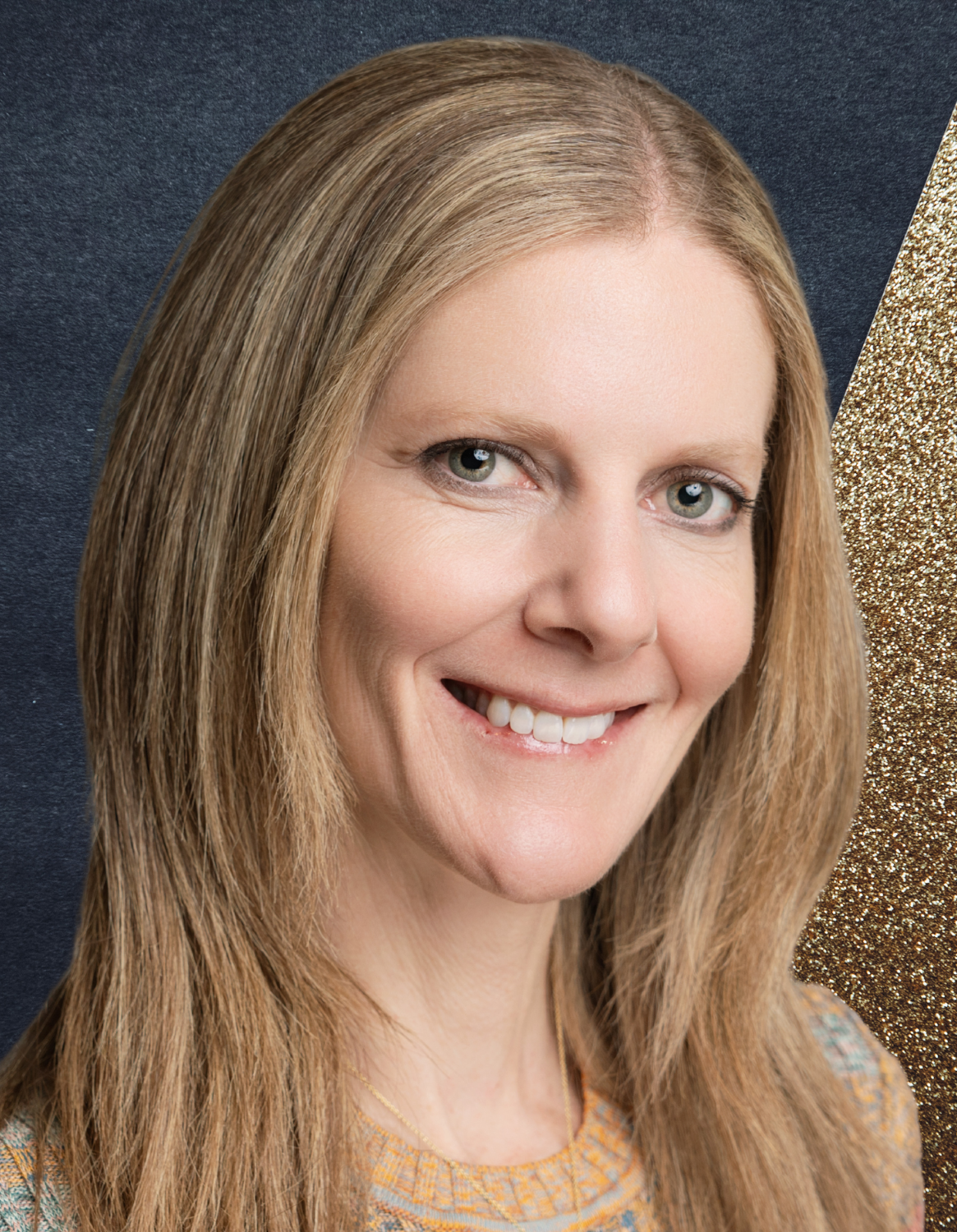
Melissa Reichman, MD
Vice Chair
Submit to Bright Spots!
Share a brief story (approximately 60-100 words) about a wellness practice making a difference for you or your workplace. This can address any of the six domains: Physical, Emotional, Social, Occupational, Financial, or Spiritual. Please also share a photo of you, your team, or the practice/benefits itself. Together, our stories can help us all thrive.
Wellbeing Articles Written by Committee Members
- Belfi LM, Averill S, Burgen C, Butler R, Retrouvey M, Deitte LA. Leading with CARE: A Framework to Foster Belonging and Well-Being in Radiology. Academic Radiology. 2025 Nov 18.
- Belfi LM, Bartolotta RJ, Averill SL, Bulman JC, Chetlen A, Jay AK, Methratta ST, Deitte LA. The big squeeze: factors contributing to moral distress among radiologist clinician-educators. Academic Radiology. 2024 May 1;31(5):2167-74.
- Belfi LM, Butler R, Burgan CM, Chetlen A, Desser T, Methratta ST, Deitte LA. Strategies to optimize well-being during transitions in the life cycle of a radiologist. Academic Radiology. 2025 Jan 1;32(1):425-9.
- Belfi LM, Jordan SG, Chetlen A, Deitte LA, Frigini LA, Methratta ST, Robbins J, Woods R, Benefield T, Jay AK. Self-care and storytelling for radiologists: a feasibility study. Current Problems in Diagnostic Radiology. 2022 Jul 1;51(4):445-9.
- Belfi LM, Chetlen A, Frigini A, Jay A, Methratta ST, Robbins J, Woods R, Deitte L. Recovering joy in the workplace requires PRACTICE. Academic radiology. 2022 May 31;30(3):536.
- Reichman M, Dodelzon K. Commensality Initiative: A Survey of Radiologists to Evaluate the Effects of Shared Meals on Burnout and Job Satisfaction. Academic Radiology. 2025 Dec 16.
- Retrouvey M, Snyder EJ, Burgan CM, Chetlen A, Butler R, Reichman M, Averill S. The Lifecycle and Role of Faculty–Trainee Relationships in Physician Development and Wellness: A Framework Grounded in the AAMC Faculty–Resident Compact. Academic Radiology. 2026 Feb 10.
- Averill SL, Woods RW, Desoky SM, Frigini LA, Chetlen AL, Oliveira AM, Desperito E, Belfi LM. NAM National Plan for Health Workforce Well-being: applications for radiology. Academic radiology. 2024 May 1;31(5):2097-108.
- Averill SL, Gomez EN, Belfi LM, Hui J, Mallak N, Chetlen A. Night and day, why radiologists need play. Academic radiology. 2024 Feb 1;31(2):360-70.
Wellness Resources
FEATURED RESOURCES
Movement and Midlife Wellness Resources
“For those looking for evidence-based strategies to care for your body in midlife and beyond, several resources come to mind. Built to Move by Kelly and Juliet Starrett’s practical strategies are based in the natural movement approaches to fitness pioneered by Erwan Le Corre. offers practical strategies for preserving mobility, strength, balance, and physical function through everyday habits. Granted, some of the videos on the YouTube channel feature wildly exuberant muscled youth barreling barefoot through rushing rapids and hefting boulders bigger than your workstation over their heads, but the core message is a good one: preserving core functions and mobility rather than exercise for gym performance.
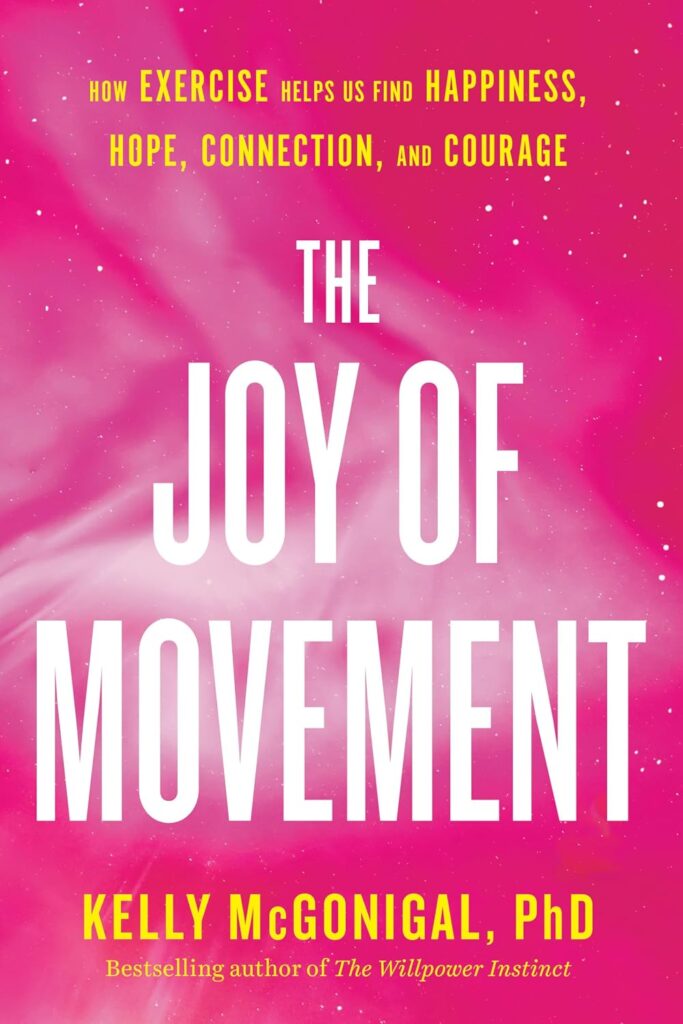
Similarly, the Joy of Movement by Kelly McGonigal approaches fitness playfully. We all know that if you have fun, you’re more likely to stick to a fitness program. Her book synthesizes neuroscience and psychology, showing how movement bolsters physical health, emotional well-being, and connection.
If you enjoy yoga or are curious about its benefits and want to dip your toe in the water, an accessible starting point is the YouTube channel Yoga with Adriene. She offers a welcoming and non-intimidating entry into regular practice. Her channel has hundreds of examples of movements that improve flexibility, mobility, breathing, and body awareness that can counteract the musculoskeletal strain that results from prolonged sitting.
Finally, a resource targeted to radiologists and other professionals working long hours at computers, Glover’s article on ergonomics in radiology is a helpful resource for evaluating your workstation design for maintaining good posture and body mechanics, which are essential components of long-term professional sustainability.
In combination, these resources emphasize that movement is not just exercise, but an investment in long-term health, function, and quality of life.”
– Sarah Averill, MD
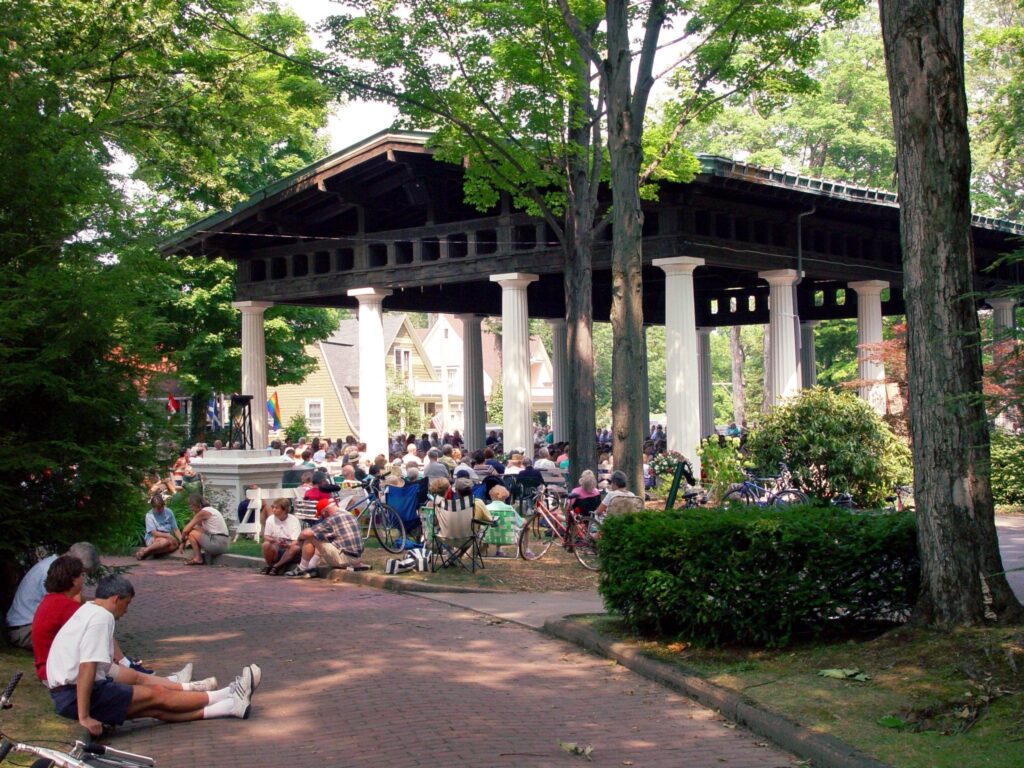
Exploring Spirituality, Purpose and What Constitutes a Meaningful Life — Why I Recommend On Being and Chautauqua Institution
“For my fellow radiologists exploring spirituality, meaning, and the deeper questions of a life in medicine, I frequently recommend On Being with Krista Tippett. What began as Speaking of Faith in 2001 evolved into On Being, a Peabody Award–winning public radio program and podcast that brings together voices from science, medicine, philosophy, religion, literature, and the arts to explore what it means to be human. Rather than offering answers, Tippett cultivates thoughtful questions, inviting listeners into conversations about wisdom, wonder, moral imagination, and the practices that help us live well. The accompanying essays, poetry collections, and reflection guides make it a rich resource for personal and professional renewal.
I also encourage colleagues to spend time at Chautauqua Institution, one of New York’s
great treasures. Founded in 1874 as an experiment in lifelong learning, Chautauqua was a national movement of assemblies that influenced the integration of education, religion, arts, and recreation. The Chautauqua movement was one of the most influential adult education and cultural movements in American history. It emerged during the late 19th century as part of a broader response to rapid industrialization, urbanization, religious change—a period of change on a scale similar to the one we find ourselves in today. At its core, the movement sought to cultivate the “whole person” through lifelong learning, civic engagement, moral reflection, arts, and recreation. The founders believed ordinary citizens should have access to intellectual and cultural life outside elite universities.
Today, the summer season offers world-class lectures, music, literature, interfaith
programs, and opportunities for rest along the shores of Chautauqua Lake. For physicians accustomed to constant productivity a week or even a weekend at Chautauqua provides a rare opportunity to slow down, encounter new ideas, and engage with perspectives far outside one’s daily professional sphere. Chautauqua also makes much of its renowned lecture programming available through its streaming and digital offerings, including YouTube broadcasts and subscription access to lectures and programs throughout the year. A month’s subscription costs less than the cost
of a cup of coffee.
This is one of the few pairings of resources I recommend that consistently helps people
move beyond burnout management and into reflection on spirituality, purpose, perspective, and what constitutes a meaningful life.”
– Sarah Averill, MD
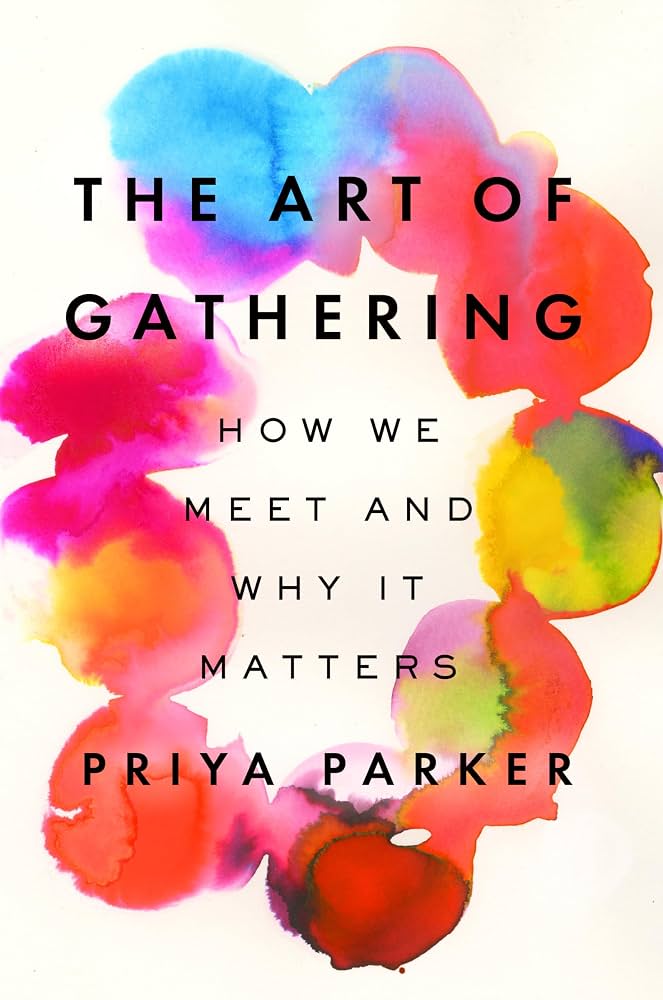
The Art of Gathering: How We Meet and Why It Matters
“With a strong interest in Wellness, I decided to launch a Commensality initiative at my own institution. The goal was to bring colleagues together from different divisions, many of whom have never met before, despite working in the same department, to foster a greater sense of community and collegiality. The long-term objective was to promote job satisfaction, and career engagement while reducing burnout.
A colleague recommended that I read, Priya Parker’s The Art of Gathering, which explores how to bring people together with clarity, intention, and purpose. Parker emphasizes that every meeting, formal or informal, should be designed to create genuine connection. Her book offered practical guidance for crafting meaningful shared experiences that strengthen relationships, foster belonging, and enhance overall well-being.
I truly enjoyed reading her work and incorporated many of her strategies when planning my commensality gatherings with intention and purpose which I believe led to more successful gatherings. I am very appreciative of the advice she provided and highly recommend this resource to others.”
– Melissa Reichman, MD
Colleagues Meeting to Promote and Sustain Satisfaction (COMPASS) Groups for Physician Well-Being
“Colin West and his colleagues at the Mayo Clinic, applied an evidence-based approach, using randomized control trial to evaluate the impact of self-facilitated small-group meetings among physicians. Their work demonstrated that regular peer gatherings led to significant improvements in burnout, depressive symptoms, and job satisfaction. This intervention represents a low-cost strategy that strengthens key dimensions of physician well-being through consistent connection and mutual support.
This study was particularly valuable to my Commensality initiative as it provided high quality clinical evidence that bringing colleagues together on a regular basis can improve professional fulfillments. For individuals and institutions looking for practical ways to address burnout, I recommend reading this article as it offers a blueprint for creating communities promoting belonging and well-being. It outlines an approach that can be implemented and adapted to different practice settings and proven to deliver measurable benefits.”
– Melissa Reichman, MD
Harvard Business Review
“As a leader, I enjoy the Harvard Business Review because its articles span interpersonal dynamics, organizational culture, strategy, finance, and emerging local, national, and global trends.
One particularly valuable book, On Managing Yourself, (was formative for me early in my career; it offers practical guidance on setting boundaries, conserving personal energy, and avoiding the leadership trap of taking on others’ responsibilities. Its memorable advice—don’t let other people leave their monkeys in your office—remains a helpful visual reminder that colleagues’ problems must return with them, rather than becoming additional “monkeys” on your own back.
For radiologists navigating complex clinical and academic environments, HBR’s digestible, research-grounded insights—and this collection in particular—offer essential skills for sustainable and effective leadership. You can explore HRB content online at: hbr.org. They offer the general public a couple of free articles a month before the paywall appears, so it’s easy to trial it before investing in a subscription.”
– Sarah Averill, MD
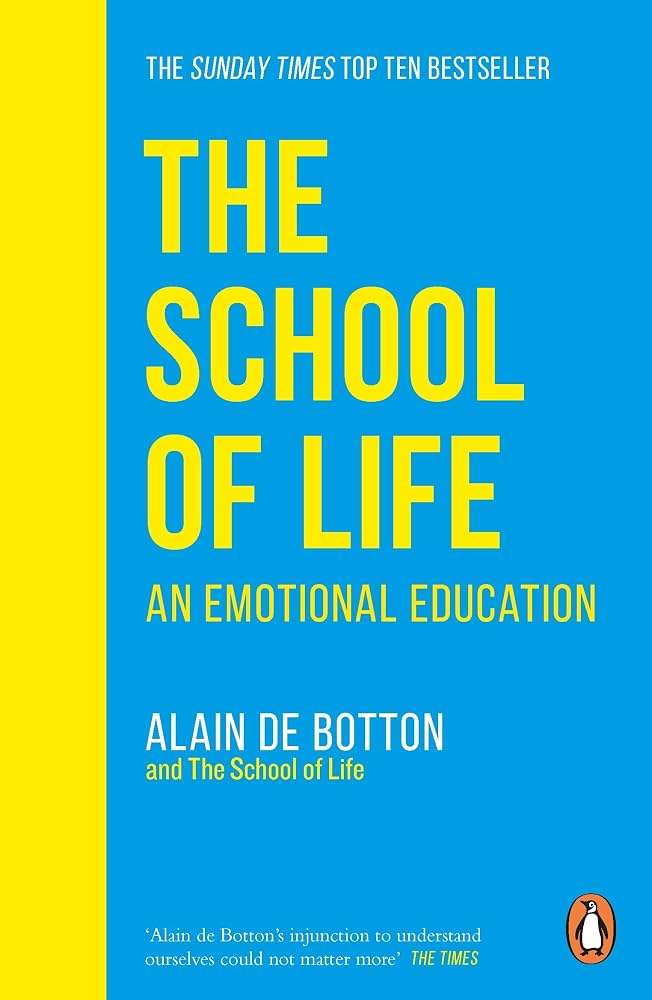
The School of Life
“The School of Life—through its short essays, book-length works, such as The School of Life, An Emotional Education and The Good Enough Parent, and companion podcast—offers a deeply humanistic lens on personal and social well-being.
Alain de Botton’s accessible philosophical approach helps leaders reflect on essential questions related to meaning, identity, relationships, parenting, technology use, and living with greater simplicity and purpose.
For radiologists seeking to strengthen personal leadership, cultivate emotional intelligence, and support healthier families and communities, these resources offer clear, approachable guidance on what makes a life worth living and how to lead with a grounded perspective.”
– Sarah Averill, MD